
Your child’s first OT assessment: how to book, what to expect, and what comes next
If you are exploring private paediatric occupational therapy in Cornwall or Devon, you may be wondering where to start, how assessments work, and how the findings will actually help at home and school. This guide walks you through the booking pathway step by step, explains the tools we use, and shows what happens after the assessment so you know exactly what to expect.
Waves Occupational Therapy (Waves OT) offers child‑centred, evidence‑informed assessments across Truro, Devon, Penzance and the wider region. We work in partnership with families and schools to turn insights into practical, realistic strategies that fit daily life.
Whether you are a parent, carer or a school seeking clarity for this spring term, you will find the process straightforward and transparent, with options for clinic, home and school settings.
How to arrange an OT assessment in Cornwall or Devon
There are several main routes into a paediatric OT assessment with Waves OT:
- Self‑referral and private payment. You can contact us directly to book an assessment without a GP referral. Use the contact form on our website or email us. Let us know your location, the main concerns, your preferred setting (clinic, home or school), and any key dates linked to reviews or exam arrangements.
- School, college, local council, solicitor or case‑manager referral. Schools often get in touch for classroom observations or a comprehensive assessment to support the graduated response or Education, Health and Care Plan (EHCP) processes. We also accept referrals from colleges, local council SEN teams, solicitors and case managers. We liaise with SENCOs, families and other professionals to plan visits and agree priorities.
Appointments are available in our clinic at Threemilestone Industrial Estate, Truro, as well as across Cornwall and Devon for home or school visits. Travel time and mileage may apply for visits outside clinic, which we explain before booking.
If you are looking for a paediatric occupational therapist in Truro or Devon and prefer an initial conversation, our team is happy to advise on the most suitable assessment type and setting for your child’s needs.
For more on our approach and service areas, you can explore our main site by searching for a paediatric occupational therapist in Truro or an occupational therapist in Devon.
What a full OT assessment includes
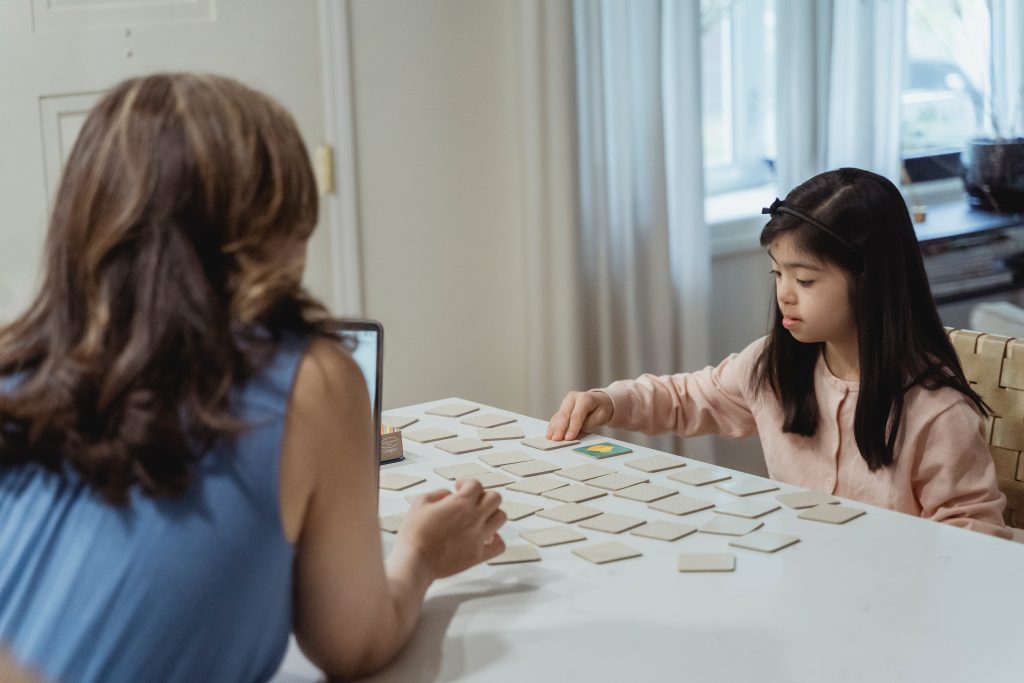
A comprehensive paediatric OT assessment builds a rounded picture of your child’s strengths and challenges. It typically includes:
- Pre‑assessment questionnaires. We invite you, and school if relevant, to share priorities, developmental history and current routines. These help us focus the sessions on what matters most.
- Direct assessment in the best setting. We can assess in our Truro clinic at Threemilestone, at home or in school. The venue depends on your questions, your child’s comfort and the type of assessment, as some assessments (such as current EASI‑informed sensory assessments) are only completed in our clinic.
- Standardised tools where indicated. Common tools include:
- Movement ABC‑2 (MABC‑2) to explore balance, coordination, aiming and catching, and manual dexterity.
- EASI‑informed sensory assessment to understand sensory processing, regulation and participation across everyday routines.
- Detailed Assessment of Speed of Handwriting (DASH) to look at handwriting speed and stamina.
- Beery Visual Motor Integration (Beery VMI) and optional subtests to differentiate visual perception from motor coordination.
- Functional observation. We look at how skills translate to real tasks, such as handwriting, PE, dressing and attention in class.
- Practical, plain‑English feedback. We translate scores and observations into strategies that fit home and school life.
If a specific question is driving the referral, such as exam access arrangements or evidence for an EHCP, we tailor testing and observation accordingly and map findings to measurable, actionable recommendations.
If you want a closer look at our EASI‑informed sensory assessments, see our page on sensory assessment in Truro for an overview of what we explore and how results support regulation and participation: truro sensory processing evaluation.

Where assessments take place
You can choose the environment that best suits your child and the assessment goals:
- Clinic at Threemilestone (Truro). A calm, child‑friendly space with access to standardised tools and equipment. Ideal for detailed sensory, motor and handwriting assessments.
- Home visits. Helpful when daily routines, self‑care or regulation at home are the main focus, or if travel is difficult.
- School visits. Useful for classroom participation, seating and environmental factors, and for liaising directly with teachers and SENCOs.
We cover Cornwall and Devon. When arranging off‑site visits, we confirm any travel charges in advance.
If you are specifically seeking a paediatric OT clinic in Redruth or nearby, read about our children’s services and flexible delivery options: paediatric OT clinic in Redruth.
How long it takes and what happens on the day
Assessment length varies by the questions asked and your child’s pace. As a guide:
- Short‑focus assessments or screenings can take around 60 to 90 minutes.
- A combined or comprehensive assessment across sensory, motor and handwriting areas usually runs 2 to 3 hours in total, often split with breaks or across sessions to keep things comfortable.
- Individual tools vary. For example, DASH often takes 30 to 45 minutes, core Beery VMI around 10 to 15 minutes, with optional subtests adding time. MABC‑2 timings depend on age and cooperation.
On the day, we start with a warm welcome and a brief check‑in to confirm goals and consent. Activities are predictable and paced to your child. We build in movement or quiet time if needed and keep explanations simple and encouraging.
After the assessment, we analyse results and integrate them with questionnaire input and observations. You receive a concise, clear report with practical strategies, equipment suggestions if indicated, and measurable targets. Optional feedback sessions can be arranged with you and, if helpful, school staff to agree next steps and how to monitor progress.
If handwriting is a key concern, our handwriting assessments page explains how DASH works and how findings translate into classroom strategies and exam arrangements: detailed assessment of speed of handwriting test in Truro.
How findings turn into practical support
The goal is always practical change. Your report will include:
- Clear strengths and needs in everyday language, backed by scores where used.
- Ready‑to‑try strategies for home and school, such as seating adjustments, visual schedules, planned brain breaks, fine motor “finger gym” ideas, and sensory toolkits.
- Targets linked to functional outcomes, for example improving handwriting stamina for a timed task, or supporting regulation for transitions.
- Suggestions for PE and playground adaptations where relevant.
- Signposting or onward referral recommendations, such as discussing DCD concerns with a paediatrician, if appropriate.
Schools receive guidance that fits the Assess, Plan, Do, Review cycle, with realistic trial ideas and ways to track progress for SEN reviews and EHCP planning.
Costs and why they vary
We price assessments by scope rather than a one‑size‑fits‑all list. Fees are quote‑based because needs differ. Factors that can affect cost include:
- Location and travel time if you prefer a home or school visit.
- Assessment complexity, for example the number of tools used and whether multi‑setting observations are needed.
- Combined assessments, such as sensory plus motor and handwriting, which take longer to administer and write up.
- Optional feedback meetings and liaison with school.
We are always transparent about costs before you book. To discuss the right package and receive a clear quote, please use our website contact form or email us with your enquiry. If you have time‑sensitive school dates, let us know so we can advise on availability.
Quick answers to common questions
- How do I get an OT assessment for my child in Cornwall or Devon? You can self‑refer and pay privately using our website contact form or by emailing us. Schools, colleges, local councils, solicitors and case managers can also refer. We offer clinic, home and school options across the region.
- What is a full OT assessment and what does it include? A comprehensive assessment blends questionnaires, observation and standardised tools such as MABC‑2, EASI‑informed sensory measures, DASH and Beery VMI. You receive a clear report with practical strategies and targets.
- Can I self‑refer and pay privately? Yes. Private bookings are welcome and do not require a GP referral.
- How long does it take and what happens afterwards? Short assessments can take 60 to 90 minutes. Broader assessments may take 2 to 3 hours, sometimes split with breaks. Afterwards you receive a report, and we can arrange an optional feedback session to plan next steps.
- How much does it cost? Pricing is quote‑based and varies with location, scope and whether combined assessments or additional meetings are needed. Contact us using the website form or email to discuss your needs and receive a transparent quote.
For schools planning this term
If you are scheduling assessments or classroom consultations, we can align visits with your timetable, provide targeted observation in class, and supply practice‑ready recommendations mapped to measurable outcomes. Share key dates for reviews or exam arrangements when you enquire so we can advise on timescales and reporting.
If you are coordinating assessments for handwriting or motor skills, you may find it helpful to review our handwriting and fine motor information here: handwriting assessments OT Truro.
Getting started
If you are ready to book or would like help choosing between clinic, home or school assessment, get in touch. Use our website contact form or email us with your child’s age, location and main goals. We will suggest the best pathway and provide a clear, no‑obligation quote.
In summary, a well planned OT assessment should feel calm, collaborative and purposeful. With the right tools and setting, you gain a clear understanding of your child’s needs and a plan you can use straight away at home and in school. We look forward to working with you this term.