
Children’s occupational therapy in Truro, Cornwall
Dyspraxia and coordination (DCD) assessments
If your child seems clumsy, finds PE hard or struggles with everyday tasks like dressing and handwriting, a coordination assessment can explain why, and what will help. We see children from across Cornwall and Devon.
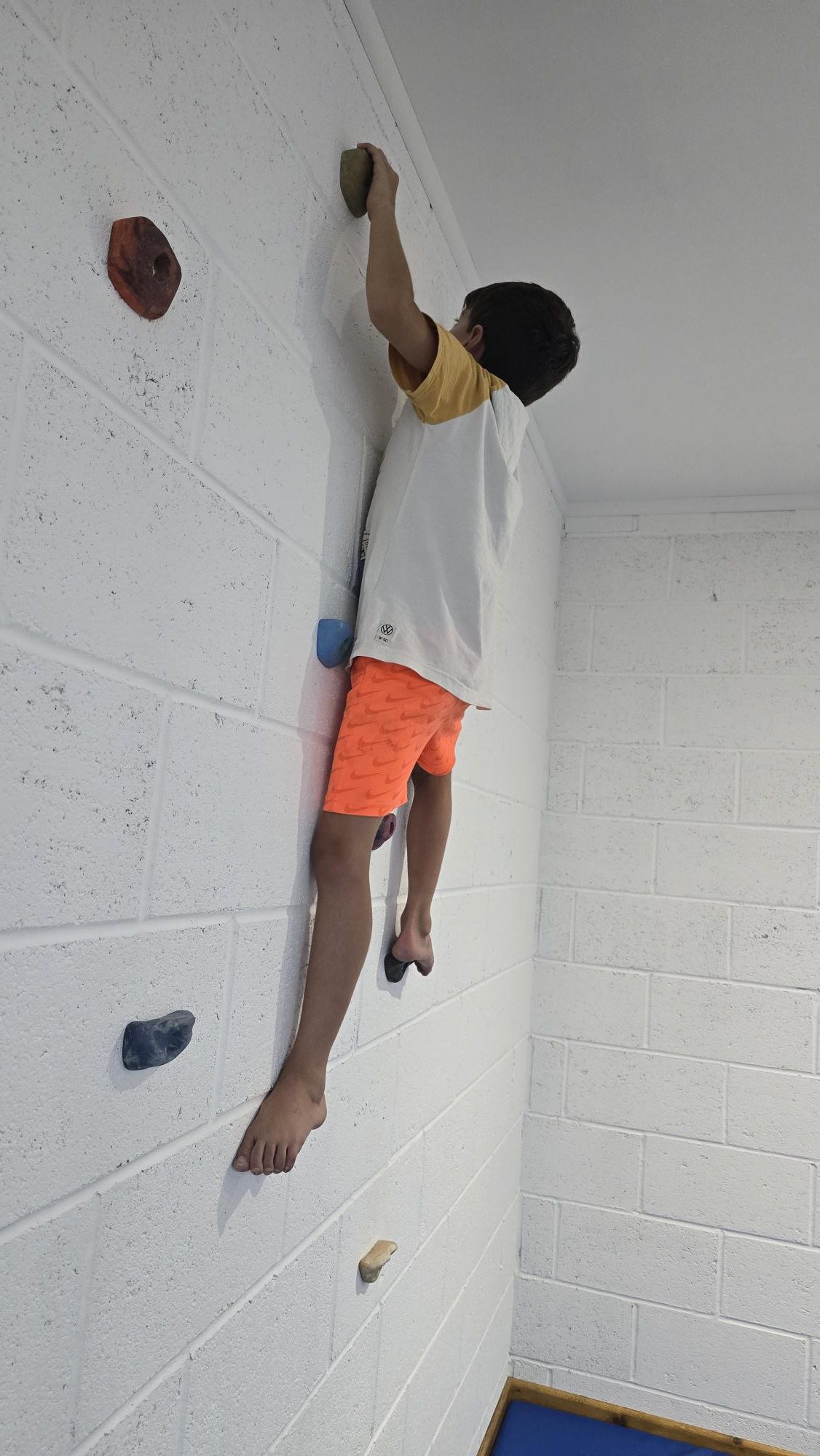
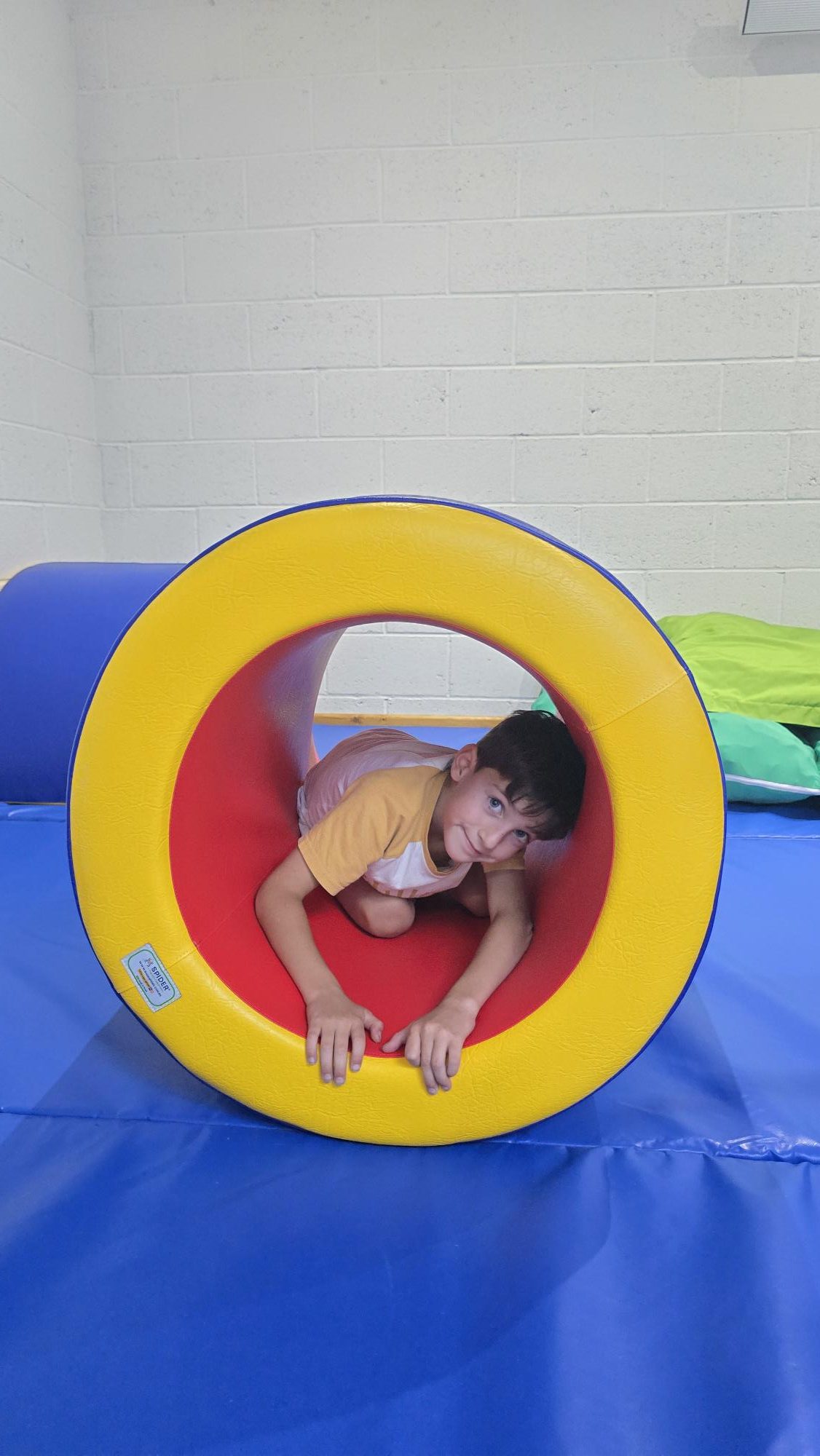
Signs your child might benefit
Every child develops at their own pace. But if several of these sound familiar, an assessment can help you understand what’s going on.
- Trips, falls or bumps into things more than other children
- Finds PE, ball games or riding a bike hard
- Avoids playground equipment, or gets upset by it
- Struggles with buttons, zips, shoelaces or cutlery
- Has slow, effortful or hard-to-read handwriting
- Tires quickly with everyday physical tasks
- Finds it hard to plan and order tasks, like getting dressed
- Seems to be losing confidence because of these difficulties
You don’t need a diagnosis or a referral to get in touch.
What is dyspraxia?
Developmental Coordination Disorder (DCD) is the formal medical name for difficulties with coordinating movement. In the UK, “dyspraxia” and “DCD” are often used to mean the same thing.
It affects how children plan and carry out movements, from big movements like running and catching, to small ones like writing and doing up buttons. It isn’t related to intelligence, and it isn’t caused by a lack of effort.
Understanding your child’s difficulties is the first step to the right support, at home and at school.
About the Movement ABC-2
We use the Movement Assessment Battery for Children (MABC-2), a standardised test recognised by paediatricians. It compares your child’s skills with those of other children the same age, in three areas:
- Manual dexterityPrecise hand skills, such as threading beads and drawing.
- Aiming and catchingThrowing and catching, such as catching a beanbag.
- BalanceStaying steady while still and moving, such as standing on one leg and hopping.
The tasks feel like games, and we take breaks whenever your child needs them.
What happens
A clear, relaxed process, designed around your child.
- 1
Before
You complete short questionnaires about your child, including the DCDQ. With your consent, we can ask school for their view too.
- 2
The assessment
A 60-minute session, at our Truro clinic or at home or school. Alongside the MABC-2, we watch how your child moves, plays and approaches tasks.
- 3
Your report
Within 4 weeks. It explains the results in everyday language, with practical ideas for home, the classroom and PE.
- 4
Next steps
A 30-minute call to talk it through, if you’d like one. We can share the report with your paediatrician or school, with your consent.
Diagnosis and your paediatrician
Occupational therapists don’t diagnose dyspraxia or DCD, but our assessment is an important part of the process.
If the results show significant coordination difficulties, we can share our report, with your consent, with your child’s community paediatrician, who can make a formal diagnosis.
Early support can make a real difference, whether or not your child has a diagnosis.
Support at school
Our report is written so school can use it straight away. It can help with:
- Classroom changes, such as seating, sloped writing surfaces or pencil grips
- Adjustments in PE and at playtime
- Targets for your child’s SEN support plan
- Evidence for an Education, Health and Care Plan (EHCP)
If your child needs exam access arrangements, our handwriting assessment provides the evidence schools need.
Dyspraxia / DCD assessment
£350
- Questionnaires before the assessment, including the DCDQ
- A 60-minute assessment using the Movement ABC-2
- A written report with practical recommendations, within 4 weeks
- A 30-minute phone call to talk through the report, if needed
Prefer us to come to you? We can carry out the assessment at your home or your child’s school. Return travel time and mileage are added for visits outside the clinic.
Therapy after the assessment
If your child would benefit from therapy, we’ll suggest a plan. Sessions can take place at our clinic, at home or at school.
- £90 an hour for parents and carers
- 6 sessions with a home or school programme: £790
- 12 sessions with a home or school programme: £1,300
Questions parents ask
Will the assessment diagnose dyspraxia or DCD?
No. Occupational therapists don’t diagnose dyspraxia or DCD. Our assessment gives detailed, standardised information about your child’s coordination and everyday skills. If the results show significant difficulties, we can share our report, with your consent, with your child’s community paediatrician, who can make a formal diagnosis.
What age can my child be assessed?
The Movement ABC-2 is designed for children and young people aged 3 to 16. If your child is older or younger, get in touch and we’ll suggest the right option.
Do I need a referral or a diagnosis?
No. You can contact us directly. Many families come to us simply because they’ve noticed their child finds movement or coordination harder than other children.
Where does the assessment take place?
Usually at our clinic in Threemilestone, Truro, where there are no travel charges. We can also come to your home or your child’s school. For visits outside the clinic, return travel time and mileage are added: £22.50 per 15 minutes of travel and 70p a mile for parents and carers.
How long does the report take?
You’ll receive your written report within 4 weeks of the assessment. If you have a school meeting or EHCP deadline coming up, let us know when you get in touch.
Can school be involved?
Yes. With your consent, we can ask your child’s teacher or SENCO to complete a short questionnaire, and you can share the report with school so they can put our recommendations in place.
What if my child mainly struggles with handwriting?
We also offer a handwriting assessment using the Detailed Assessment of Speed of Handwriting (DASH), which can provide evidence for exam access arrangements. If you’re not sure which assessment is right, send us a message and we’ll advise you.
Worried about your child’s coordination?
Tell us a little about your child and we’ll reply by email within 3–5 working days with advice on the best next step.